
Tuesday 06 January 2026Tuesday 06 January 2026
/
Share
5 Essential Tips for Renting a Property in Dubai: A Complete Guide for 2026
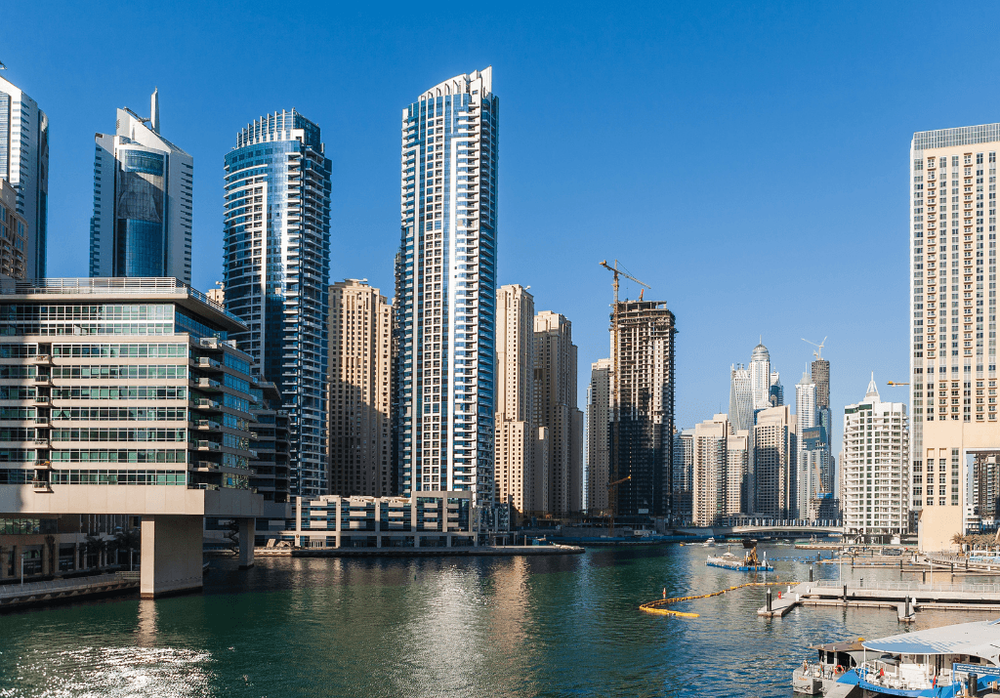
Dubai’s dynamic property market offers a wide range of rental options, from luxury apartments in Downtown Dubai to family-friendly villas in Arabian Ranches. Whether you’re moving to the city for work or investment purposes, understanding the process of renting in Dubai can save you time, money, and stress.
In this guide, we share 5 essential tips every tenant should know before signing a lease in Dubai.
1. Know Your Budget and Costs Beyond Rent
When renting in Dubai, it’s important to understand that the rent is usually quoted annually. However, the total cost of living in a rented property goes beyond just the rent. Additional expenses may include:
Security deposit: Usually 5% of the annual rent for unfurnished properties DEWA bills: Dubai Electricity and Water Authority charges are separate from rent this will require a initial deposit then monthly bill payments Chiller fees: Common in many apartment buildings, which requires an initial deposit and monthly bill payment Maintenance fees: Covers upkeep of shared facilities like gyms, pools, and landscaping
Setting a clear monthly budget, factoring in these additional costs, will help prevent surprises and keep your finances in check.
2. Research the Location Carefully
Dubai is home to a variety of communities, each with its own lifestyle, amenities, and convenience. Some factors to consider when choosing a location include:
- Commute times: Proximity to work, schools, or public transport
- Local amenities: Supermarkets, hospitals, gyms, and parks
- Community vibe: Some areas are quiet and residential, while others are vibrant and bustling
Popular neighbourhoods include Downtown Dubai, Dubai Marina, Business Bay, Jumeirah, and Arabian Ranches. Researching the right area ensures that your home fits your lifestyle and daily needs.
3. Understand the Lease Terms
Before signing any tenancy contract in Dubai, it’s vital to understand the lease terms. Key points include:
- Lease duration: Typically one year, with renewal options
- Payment terms: Most landlords require rent to be paid by post-dated cheques, although some may accept direct debit depending on the property
- Notice period: Required if you wish to terminate the contract early
- Rent increases: Rent can typically be increased by up to 5% per year, in line with regulations
- Renewal notice: If a landlord intends to increase the rent, they must provide written notice of the new rental price at least 90 days before the renewal date
- Restrictions: Some properties may have pet policies or other rules
Always read the contract carefully and clarify any points with the landlord or agent to avoid misunderstandings.
4. Inspect the Property Before Signing
A physical inspection is essential. Photos can be misleading, so visiting the property ensures you know exactly what you’re renting. Check for:
- Functioning appliances, plumbing, and air conditioning
- Safety measures such as smoke detectors, secure entrances, and gated access
- Any existing damages - take photos or notes to protect your security deposit
- A thorough inspection helps you avoid unpleasant surprises after moving in
5. Work with a Registered Real Estate Agent
Partnering with a licensed agent, registered with RERA (Real Estate Regulatory Agency), offers several benefits:
- Guidance through paperwork and contracts
- Assistance in negotiating rent and lease terms
- Assurance that all processes comply with Dubai’s legal requirements
Even experienced renters can benefit from an agent’s knowledge of the local market, saving both time and money. It is however important to remember that whilst you pay a commission to the agent, never to hand cash over informally.
Renting a property in Dubai can be a smooth and rewarding experience if you plan carefully. From budgeting and researching neighborhoods to inspecting the property and working with a licensed agent, these five tips will help you make informed decisions and find the perfect home.
Ready to find your ideal rental in Dubai? Explore our latest listings or get in touch with our team for personalised guidance today.
To rent a property in Dubai, you’ll need a valid Emirates ID, as it’s required to register the tenancy contract. However if you’re newly moving to Dubai and are still waiting for your Emirates ID to be issued, this doesn’t mean you’re stuck. Many newcomers choose short-term rentals like AirBnb or hotels, which typically accept a passport and allow you to settle in while your residency and Emirates ID are being processed.
For media enquiries, please contact:
Emily Bates, PR & Communications Manager +971 58 598 6637